

All major cities face a waste problem. A growing population means a growing amount of trash, including the kind that ends up in street bins. That creates a need for cities to find new ways to deal with waste and optimize existing procedures. Waste management is one more field where implementing IoT can help. Let’s see how municipal governments are using technology to keep cities clean.
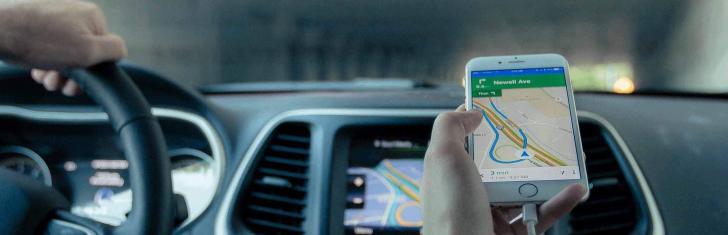
Internet of Things technology generates a lot of data that makes it easier for the user to understand processes and events. The term is extremely broad, encompassing technologies and devices gathering all kinds of unsorted data. To gain the most value from these technologies, it’s useful to categorize this data according to factors such as temperature, speed, location, humidity, and the like. Today, let’s talk about the Location of Things — and how we can use geopositioning to our benefit.
You have a device in your pocket that can answer lots of questions. Want weather info? Need a ride downtown? Can’t remember the exact rate at which glaciers melt? A search takes just a moment. But can it really answer any question? How about: “What’s that castle in front of me?” Or: “Can you translate the whole restaurant menu?” So, today we are tackling the subject of Computer Vision.

The industrial Internet of Things makes it possible to gather various data that businesses can use to their benefit. What if we told you that such data can be used to study and improve a product even before it is launched? How about extracting value from a product and testing all kinds of “what-if” scenarios without physical interaction? That’s exactly what Digital Twins are designed to do.
The pace at which IoT systems are being adopted is impressive: as Gartner predicts, by 2020 there will be 20.6 billion connected devices, compared with just 8.4 billion in 2017. That’s all thanks to various new technologies that are contributing to connected infrastructure. Let’s review the tech that boosted the expansion and development of the Internet of Things projects in 2019.


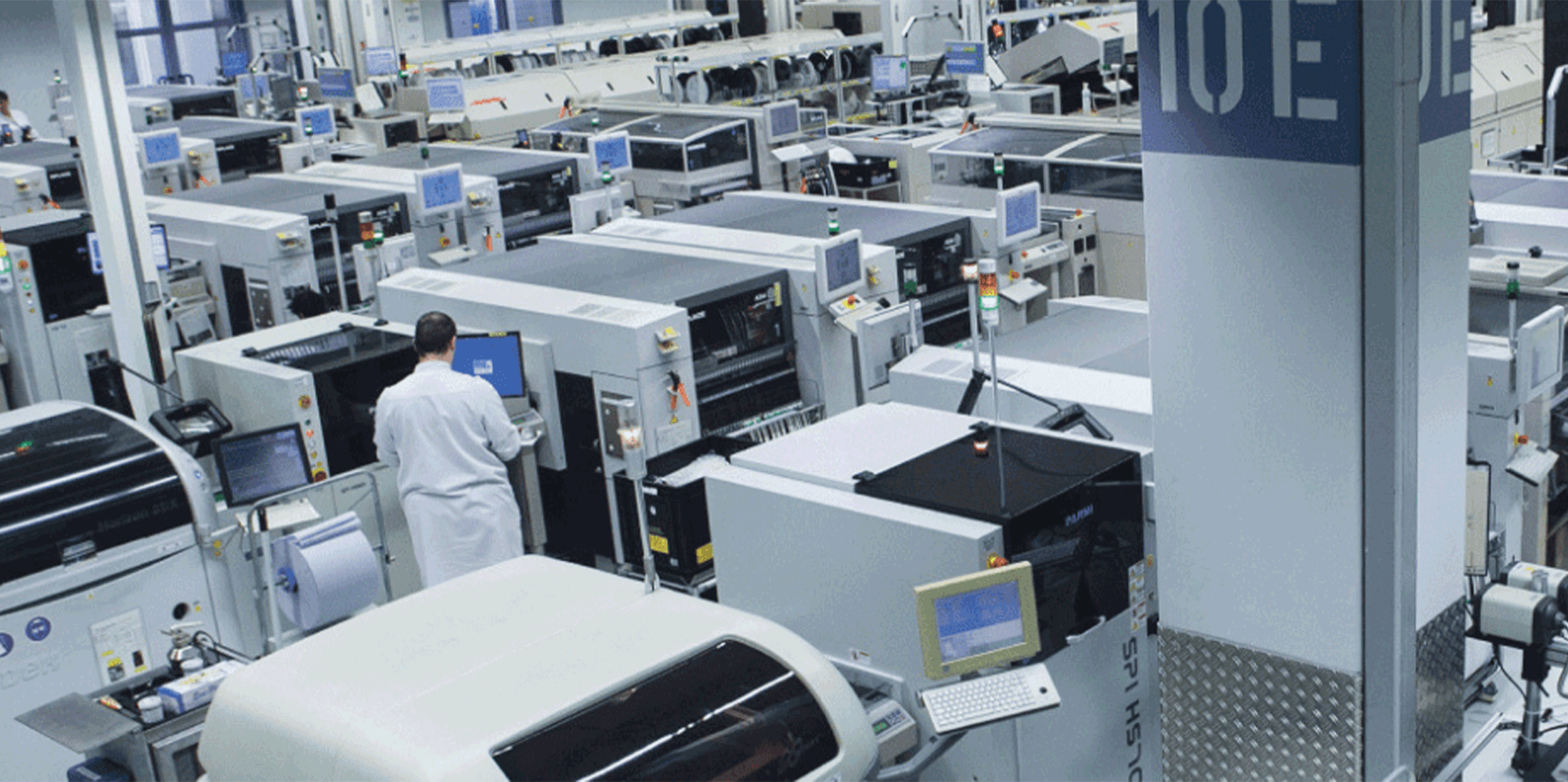
The 4th Industrial Revolution has brought the Internet of Things technology to manufacturing. Implementing this technology provides a way for various devices to talk to one another, exchange data, generate valuable insights and create autonomous responses. Data gathered from IoT-enabled devices can be used to cut costs, streamline the production process, and boost safety in facilities. This is how the data can help.
Usually, when we refer to the Internet of Things technology, we talk about its perks for big industries or personal living spaces. IoT remains an unknown to many regular business customers, serving for the most part in “background activities” such as security and infrastructure. What if there were a piece of IoT tech that could help even small businesses serve their customers better?

Founder
Welcome to our blog! The topics we cover include IoT, AR/VR, and software development. If you’d like to discuss an article, please message me on LinkedIn:

We are open to seeing your business needs and determining the best solution. Complete this form, and receive a free personalized proposal from your dedicated manager.

Sergei Vardomatski
Founder